Palm Beach Luxury Condo Vs Estate Living
March 5, 2026
March 5, 2026
Choosing between a luxury condo and an estate on Palm Beach Island is a high‑impact decision. You want ease, privacy and long‑term value, without surprises. In this guide, you’ll get a clear, side‑by‑side look at lifestyle, carrying costs, insurance, rental rules and the due diligence that matters on the island. Let’s dive in.
Palm Beach Island sits at the very top of the Palm Beaches market in both condo and single‑family pricing, with values well into seven and eight figures. High‑end activity remains visible, with headline sales shaping comparables and confidence. For example, a widely reported early‑year transaction above $70 million underscored continued ultra‑luxury demand on the island as covered by the Wall Street Journal.
Inventory is constrained by the island’s size and zoning, which tends to concentrate demand among high‑net‑worth buyers. Many purchases close in cash, and relocations from higher‑tax states continue to support the market.
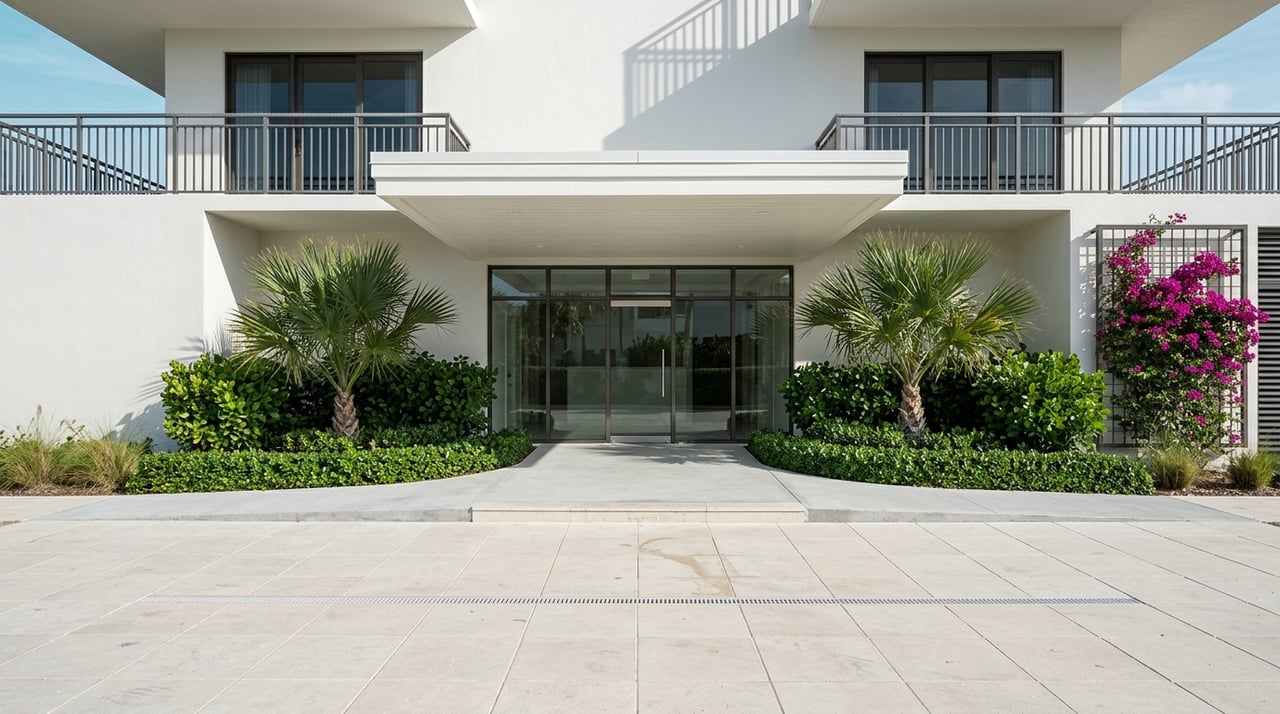
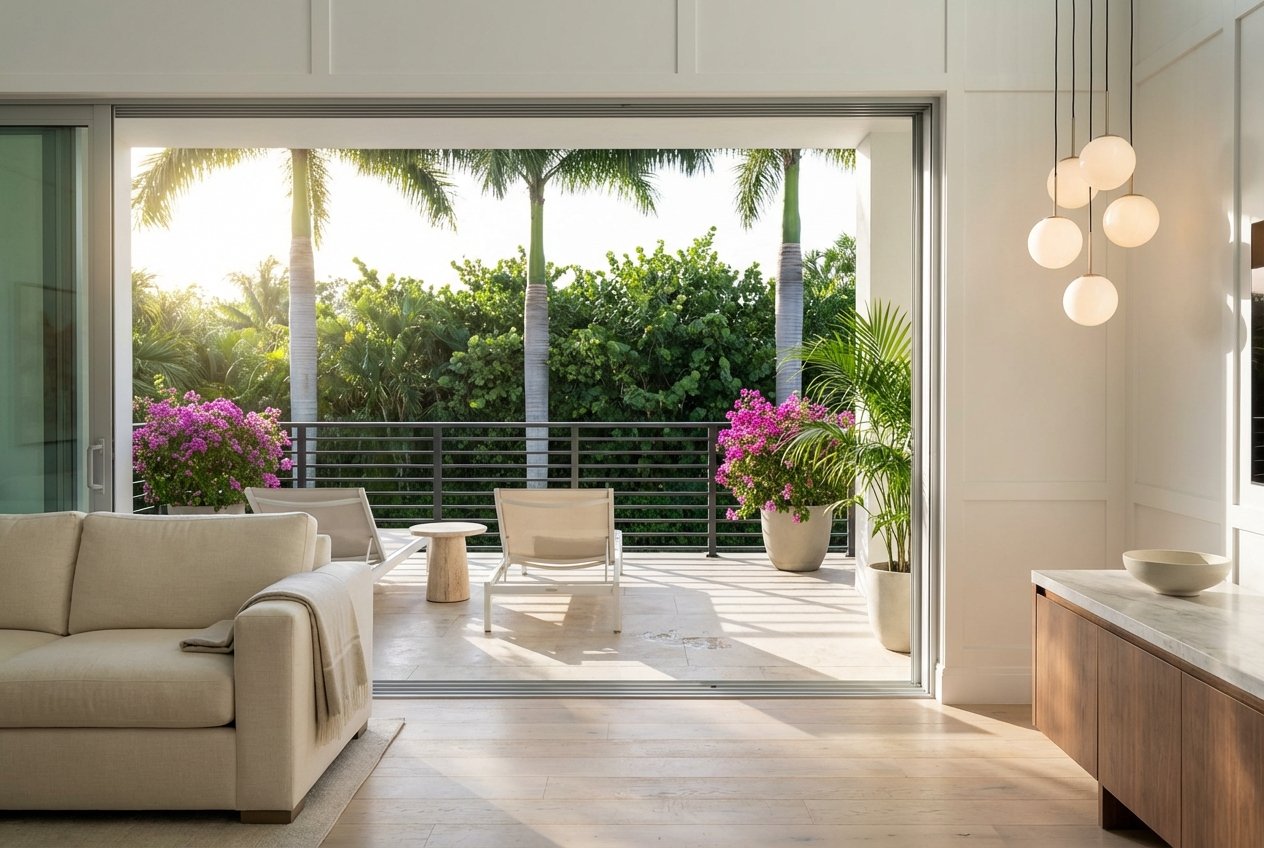
Luxury condos offer a lock‑and‑leave experience. You get professional management, on‑site security and resort‑style amenities, often including concierge service, fitness and spa facilities, pools and social spaces. Some newer projects also feature access to private marinas or coordinated dockage.
Your day‑to‑day upkeep is minimal. The HOA handles exterior and common‑area maintenance, landscaping and amenity operations. That can be ideal if you live elsewhere part of the year or want a pied‑à‑terre near Worth Avenue and the beach.
Privacy looks different in a condo. You trade private grounds for a staffed building with controlled access, discreet package handling and monitored guest entry. If you value services and simplicity over land, a luxury condo checks many boxes.
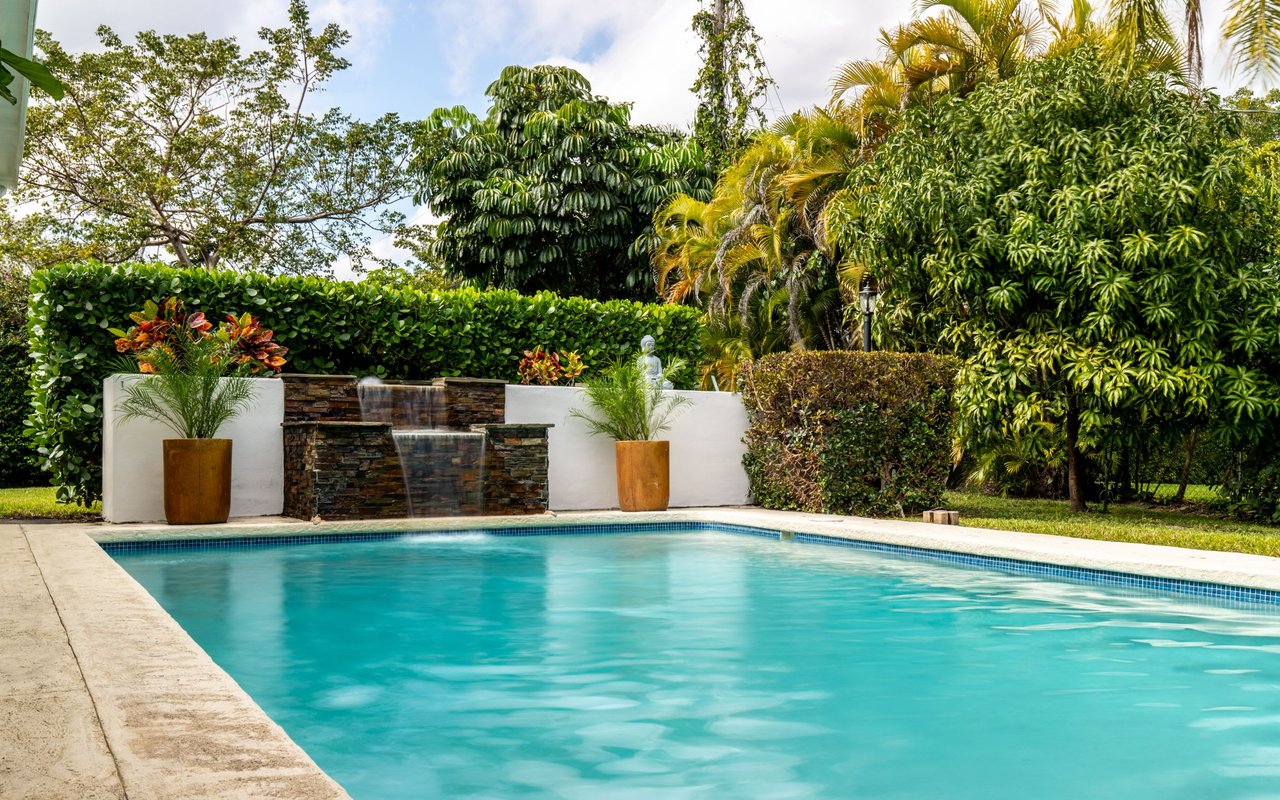
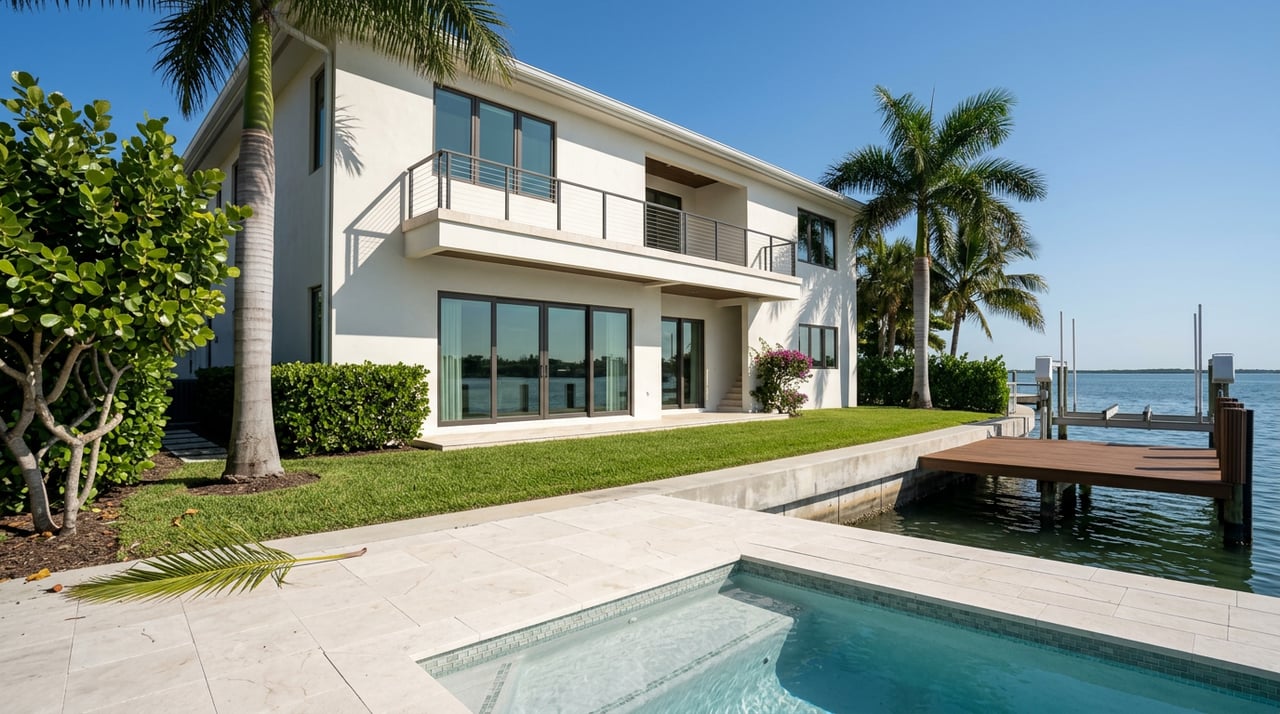
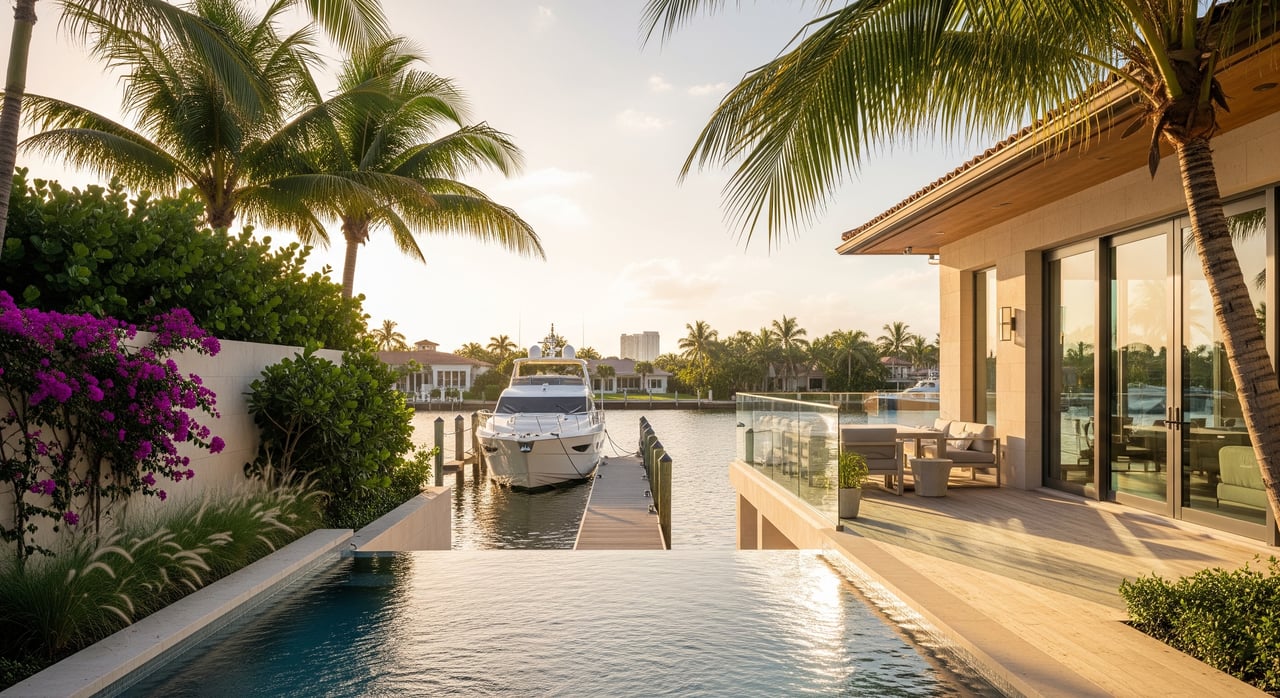
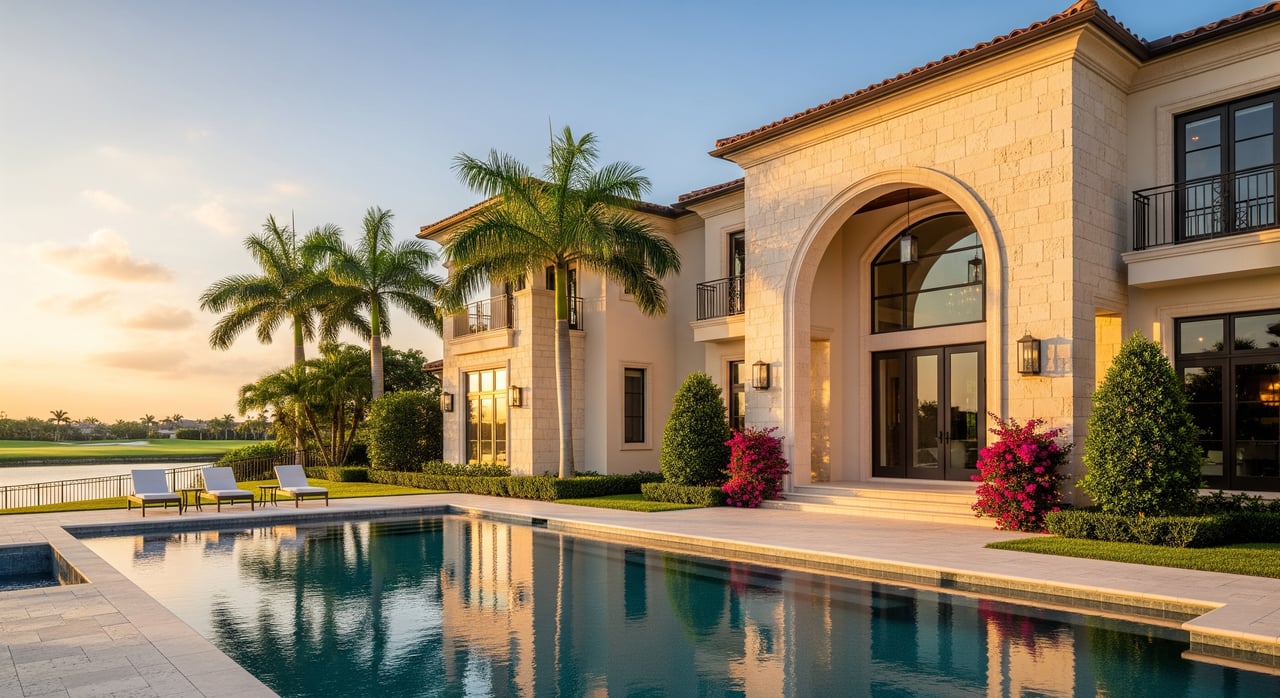
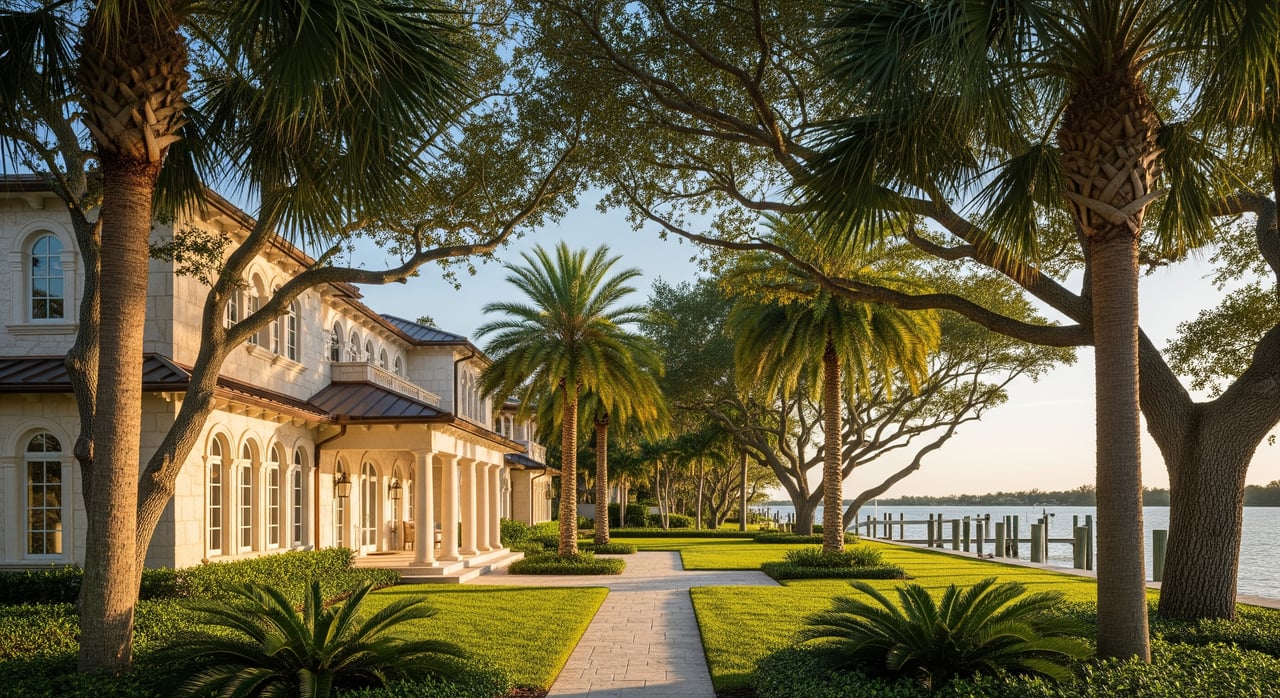
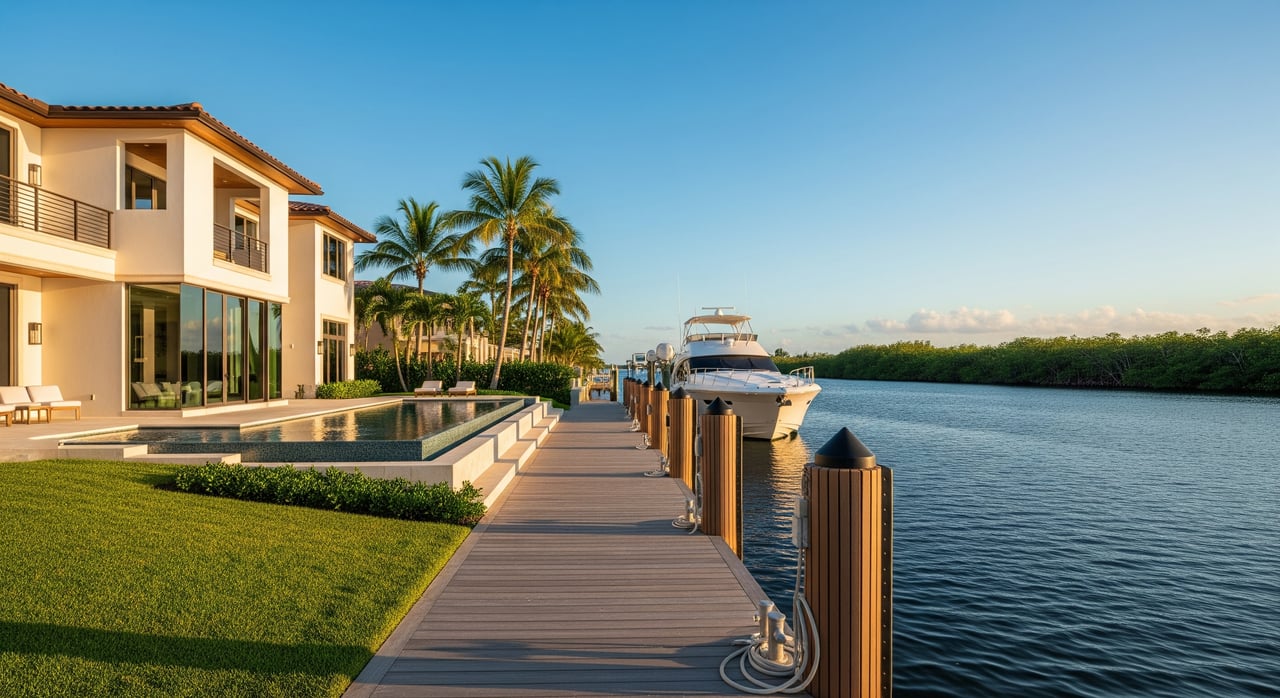
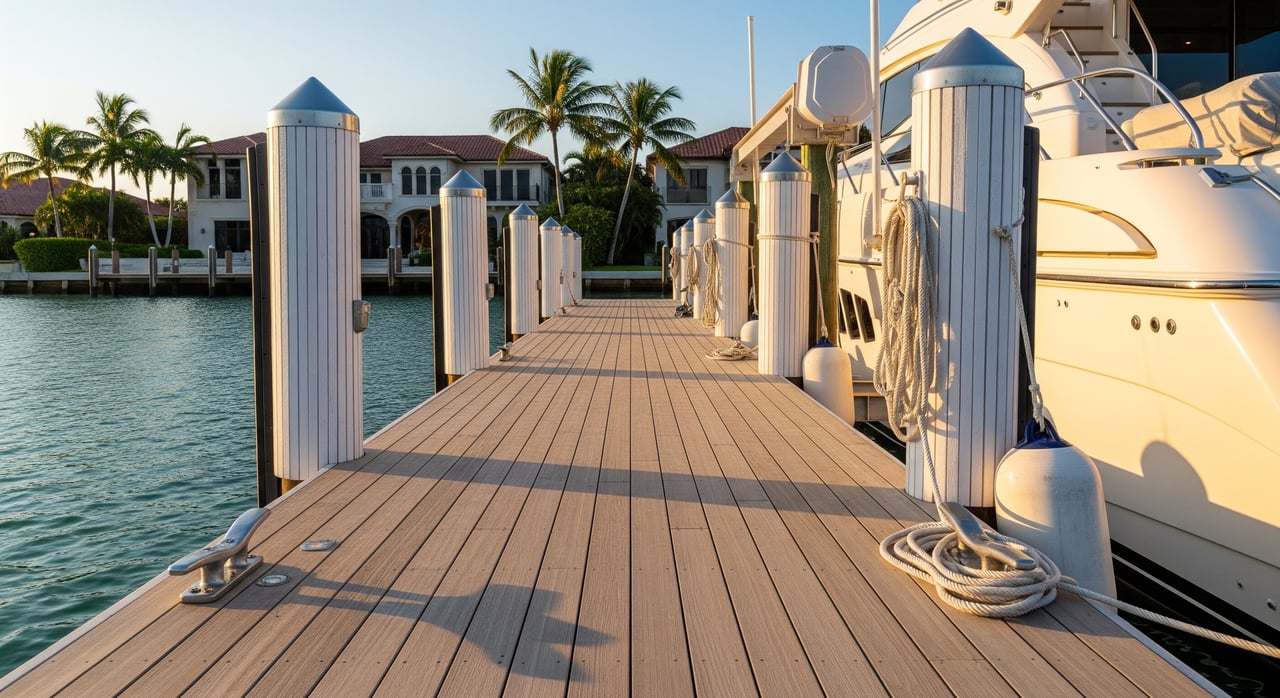
An estate is about land, control and privacy. You can tailor outdoor spaces, add a guest house, design gardens, and maintain your own pool. On waterfront lots, private seawalls and docks bring direct access for boating, which many owners consider a lifestyle essential.
Estates often require staff or specialist vendors. Larger properties may have a house manager and dedicated support for landscaping, pool systems, security and multi‑zone HVAC. You control the environment, but you also manage the operation.
Security is personalized. Gates, perimeter systems and private drives offer separation. If you want room to entertain, park multiple cars and host for extended stays, an estate delivers flexibility that a condo cannot match.
Both condos and estates carry significant ongoing costs. The structure of those costs is where the choice becomes clear.
Your totals will vary based on the specific building, property age, elevation and insurance quotes. Always run the numbers on the exact address.
Flood and wind are central to ownership on Palm Beach Island. Elevation, proximity to water and construction details can significantly change coverage and premiums.
For condos, confirm how the master policy interacts with your interior coverage and what flood protections the building maintains. For estates, add seawall, dock and roof condition to your insurer conversations.
If you plan to make Palm Beach your primary residence, Florida’s homestead exemption and the Save Our Homes assessment cap can reduce property tax exposure when you qualify. Filing timelines and eligibility are specific, so review the county’s steps and documentation on the Palm Beach County site.
If this is a second home, you will not receive homestead benefits. Run tax estimates with your advisor before you write an offer so the numbers are clear.
The Town of Palm Beach strictly regulates rentals on the island. Short‑term, Airbnb‑style stays are prohibited in residential districts, and long‑term leasing is limited. These rules reduce or eliminate nightly rental income options for most island properties. You can review the town’s guidance directly in the Town of Palm Beach FAQ.
Nearby municipalities in Palm Beach County may have different rules, but they vary by city and neighborhood. If rental flexibility is important to you, verify regulations at the parcel level before you buy.
Palm Beach protects its architectural heritage. Many properties are designated landmarks, and exterior changes can require approvals. If you plan to renovate an estate, understand the Landmarks and Architectural Commission review process early. For context on local preservation and advocacy, visit the Preservation Foundation of Palm Beach.
Condo renovations must comply with building rules, which can specify working hours, elevator reservations, material handling and flooring requirements. Ask for the building’s alteration package and recent board minutes during due diligence.
While every situation is unique, buyer profiles often line up with these priorities:
Use this list to stress‑test your choice, then tailor it to the exact address.
Choose a luxury condo if you want services, simplicity and lock‑and‑leave living close to the heart of the island. Choose an estate if you want maximum privacy, land and the freedom to shape your environment, and you are comfortable managing a team and capital projects.
If you are weighing both, compare total annual costs on the exact addresses, model insurance with real quotes, and match the property’s rules to your plans. A focused search with tight due diligence will make the right answer obvious.
Ready to explore the best options on and near the island, including off‑market opportunities and a tailored cost breakdown for your shortlist? Reach out to schedule a private consultation with Jennifer Lourie.
Stay up to date on the latest real estate trends.
Jennifer is excited to continue her entrepreneurial path in the Real Estate industry and the passion she has for assisting people when it comes to finding their dream homes knows no bounds.