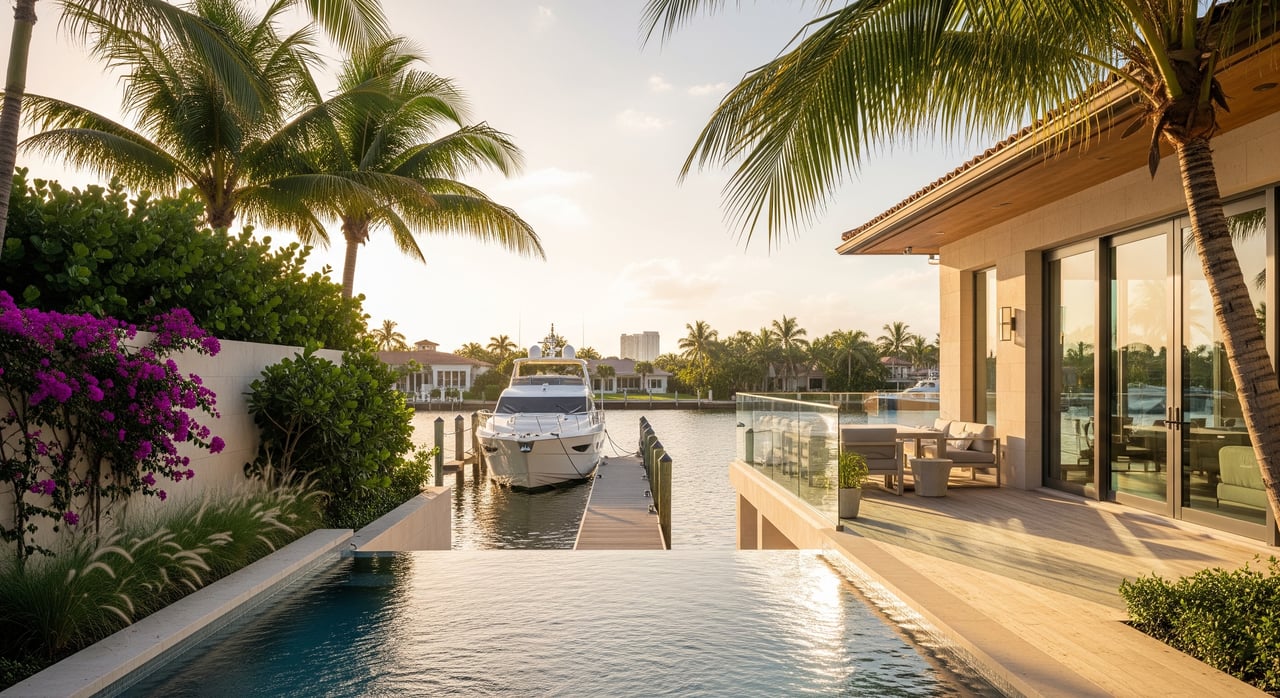
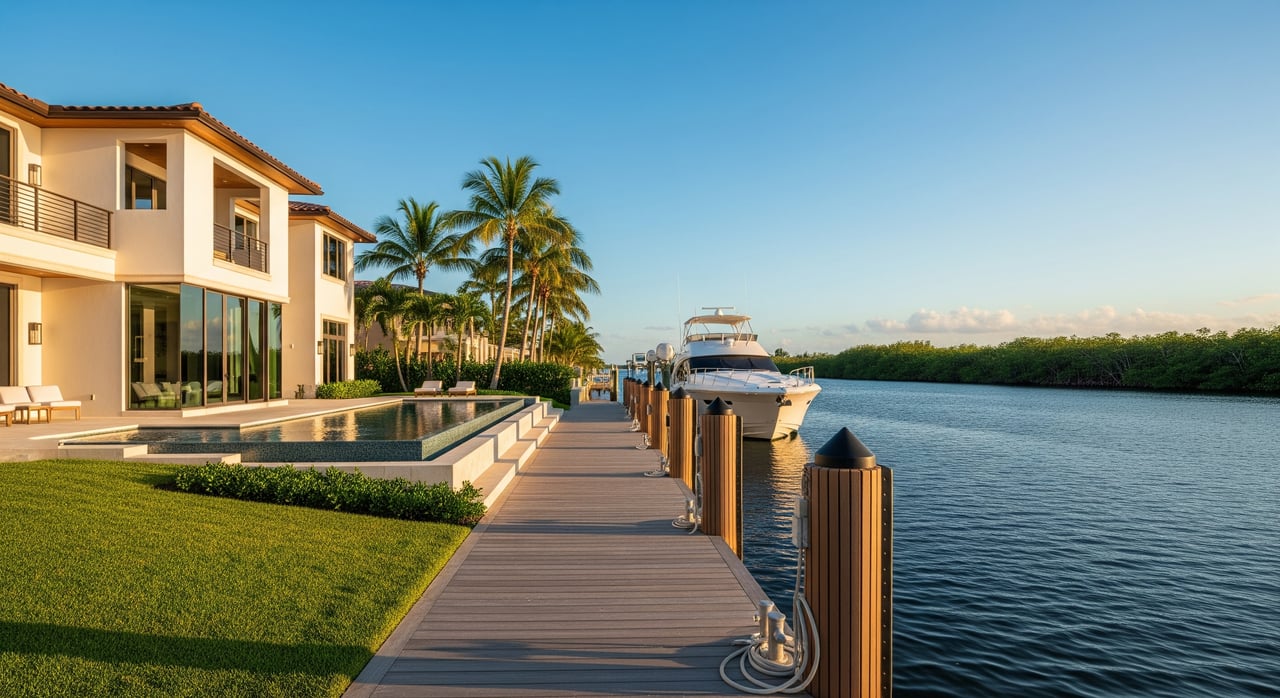
Picture this: your morning coffee on the dock, a gentle breeze over the Intracoastal, and your boat ready for a quick run. If you are looking at waterfront homes in North Palm Beach, that vision is within reach. The key is matching the property’s dock to your vessel and routine. This guide breaks down what matters most, from depth and bridge clearance to permits and maintenance, so you can buy with confidence. Let’s dive in.
Start with your boat and route
Before you fall in love with a view, match the dock to your vessel and how you use it.
Know your numbers
- Length overall, beam, and draft. Compare these to slip width, turning room, and depth at mean low water.
- Air draft. If you run under bridges, you need a realistic clearance plan based on your highest point.
- Typical crew and gear. Heavier loads change draft and handling, especially in tight canals.
Plan your runs
North Palm Beach sits on a busy stretch of the Atlantic Intracoastal Waterway used by day boats, sport fishers, and motor yachts. Most buyers cruise locally or run to inlets, marinas, and waterfront dining. Use official nautical charts and Local Notices to Mariners for current depths, channel changes, and bridge operations. The U.S. Army Corps of Engineers maintains authorized controlling depths for the ICW, and local marinas and harbormasters provide real-world updates.
Account for water-level swings
South Florida’s astronomical tide is often about 1 to 2 feet. Weather, pressure, seasonal wind, and storm surge can move water levels more. These shifts affect docking depth and bridge clearance. When you evaluate a property, look at dock and seawall elevation with both storm surge and long-term sea level trends in mind.
Dock types that work here
Choosing the right dock style helps you protect your boat and enjoy easier day-to-day use.
Fixed, floating, and layout choices
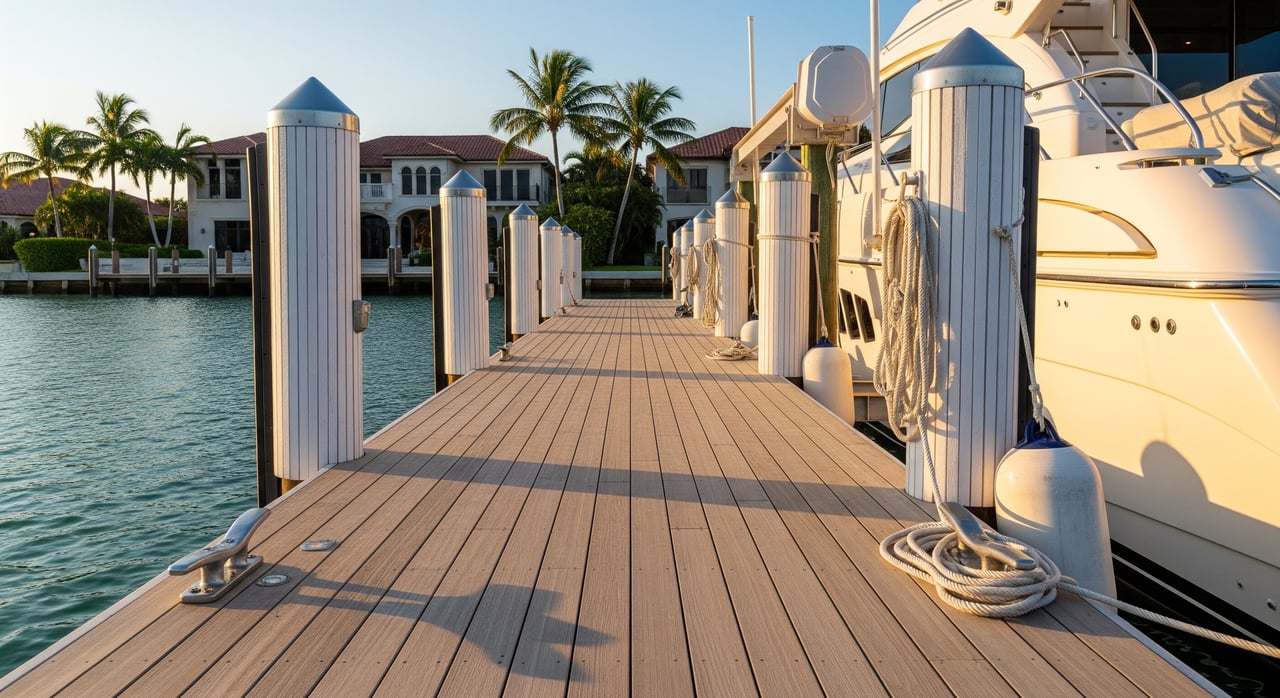
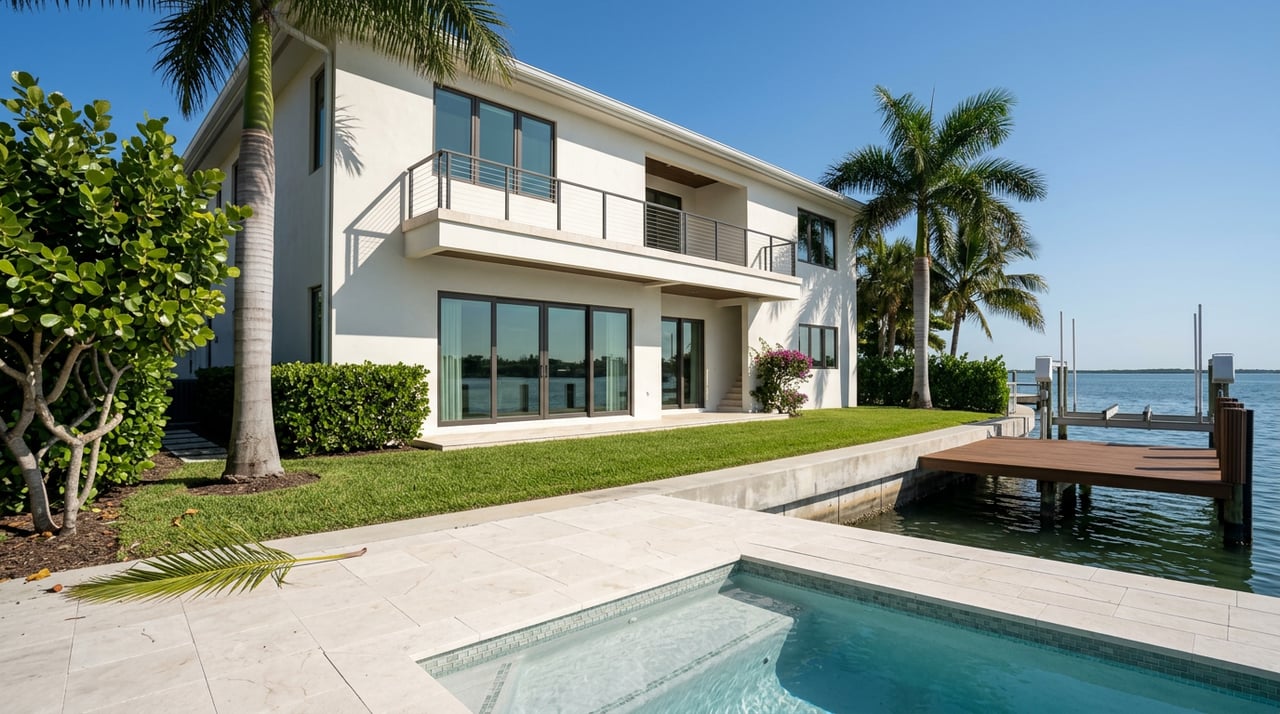
- Fixed-pile docks. Stable platforms above mean high water. Great for small tidal ranges and heavier loads like storage or a grill.
- Floating docks. Rise and fall with water level, which can make boarding easier when levels change. They tie to pilings or anchors.
- Finger piers and T-heads. Extend usable dock space and help you reach deeper water. T-heads often maximize berth length along the ICW.
- Boatlifts and davits. Keep hulls clean and safe from wakes and surge. Large lifts may require added structure and permits. Not every site can support them.
Materials and hardware
- Pilings. Treated timber, concrete, steel, or composite. Choose for load, lifespan, and resistance to marine borers and corrosion.
- Decking. Pressure-treated wood, tropical hardwoods, or composite/PVC. Each has different maintenance and slip resistance profiles.
- Hardware. Stainless or hot-dipped galvanized. Use sacrificial anodes on metal in seawater for corrosion control.
Depths and turning room
Depth is the make-or-break factor for many boats.
- Private canals and slips. Many local canals and private dock areas range from about 3 to 8 feet at mean low water. Larger boats often need more. Always verify on site.
- ICW channel. The Corps maintains segments of the ICW, but depths vary by section and maintenance timing. Side channels and fringe areas can be shallower than the main channel.
- Turning room. Even if depth is fine, narrow canals can limit your ability to spin or back a longer boat. Check the canal width, nearby obstructions, and prevailing wind or current.
Orientation matters too. Docks on the ICW offer fast access but see more wakes and traffic. Canal docks are calmer but may have tighter maneuvering and shallower spots. Balance speed of access with comfort and protection.
Bridge clearance basics
Bridge rules decide whether a tall vessel can use a route at all.
- Fixed versus movable. Fixed bridges list a vertical clearance, often relative to mean high water. Movable bridges may follow opening schedules.
- Real-world clearance. Water levels change with tide and weather, so published values are only a starting point. Know your air draft and give yourself a margin of safety.
- Verify before you buy. Use official charts, the Coast Guard’s bridge information, and current Local Notices to Mariners. If a route requires passing under one or more bridges, confirm those details early in your search.
Permits and approvals you will need
Waterfront work usually requires multi-agency review. Plan ahead, especially if you want to add or change a dock, a lift, or depth.
Who is involved
- U.S. Army Corps of Engineers. Section 10 for work in navigable waters and Section 404 when dredge and fill apply.
- Florida Department of Environmental Protection. State environmental resource permits and Sovereignty Submerged Lands easements for using state-owned bottom.
- Palm Beach County Environmental Resources Management. County-level environmental review and coastal rules.
- Town of North Palm Beach. Building and marina offices for local dock codes, setbacks, and construction permits.
- Florida Fish and Wildlife Conservation Commission. Protected species and timing restrictions for in-water work.
What triggers permits
- New docks or extensions that occupy state bottom.
- Pilings, in-water construction, and large boatlifts.
- Dredging for deeper slips or access channels.
- Seawall work, including replacement or raising elevation.
- Any work that affects mangroves, seagrass, or listed species habitat.
How long it takes
Small repairs or like-for-like replacements can be relatively quick. New docks, large lifts, and dredging often take months to a year or more due to surveys, public notices, and mitigation. Build lead time into your closing plan. For complex projects, expect to engage a marine permitting specialist or coastal engineer.
Fuel, marinas, and day-to-day operations
Think through how you will use your dock and where you will get services.
- Fuel and pump-out. Private fueling is often restricted by environmental and fire-safety rules. Most owners refuel at full-service marinas and use marina pump-outs.
- Service and haul-out. Know where nearby yards handle haul-outs, mechanics, electrical, and rigging. This is critical for larger boats.
- Storage options. If a private dock cannot host your boat year-round, consider wet slips at marinas or dry storage.
- Speed and wake zones. Slow or no-wake areas protect residents and wildlife and are enforced. Plan for calmer approach and exit speeds in residential canals.
Maintenance, insurance, and inspections
Waterfront enjoyment comes with upkeep. A proactive plan saves time and money.
- Routine dock care. Inspect pilings and hardware, replace worn decking, manage corrosion, and service lifts.
- Seawalls and bulkheads. Condition affects safety, insurance, and sometimes disclosure requirements. Factor potential repair or replacement into your budget.
- Professional inspections. Hire a marine surveyor or qualified dock contractor before you close. A pre-purchase depth check is smart if draft is a concern.
- Insurance considerations. Waterfront homes and docks can change homeowner and liability coverage. Boat insurers may require certain dock standards.
Storm and seasonal readiness
Smart design and preparation reduce risk during storm season.
- Secure vessels. Remove or secure covers, raise boats on rated lifts when appropriate, add storm lines, and stow loose gear.
- Move when needed. Relocate to safer harbor if advised by local authorities.
- Build for local conditions. Choose lift ratings, cleats, and fasteners that match wind, surge, and wave exposures. Ask local marina engineers or coastal consultants for guidance.
Quick dock fit checklist
Use this list during showings and inspections so you do not miss a key detail.
- Measured depth at mean low water along the entire berth, not just at the end of the dock.
- Slip width versus your beam, including fenders and lines.
- Turning radius in the canal and approach path, plus wind and current effects.
- Bridge clearances on your intended routes, compared to your air draft.
- Dock length limits and property line setbacks required by the town.
- Potential for a lift or T-head, including structural needs and permit likelihood.
- Seawall condition and dock elevation relative to water and surge.
- Access to shore power, water, and lighting. Confirm code compliance.
- Proximity to fuel, pump-out, and service marinas.
- Environmental considerations such as manatee zones and seasonal work windows.
How I help you buy with confidence
When your home search depends on dockage, you deserve clear answers and a smooth process. I help you focus on the right properties, coordinate expert support, and protect your timeline.
- Targeted search. We narrow to homes with realistic depth, turning room, and bridge access for your boat and routine.
- Expert coordination. I introduce vetted marine surveyors, dock contractors, and permitting specialists for site-specific assessments.
- Local intelligence. You get practical insights on speed zones, marina proximity, and service options that shape daily life on the water.
- Discreet, concierge service. For private tours, off-market access, and a streamlined path to closing, you can rely on a single point of contact.
Ready to explore North Palm Beach waterfront with confidence? Connect with Jennifer Lourie for a private consultation.
FAQs
Will my boat fit a North Palm Beach private dock?
- Compare your length, beam, draft, and air draft to the property’s slip width, depth at mean low water, turning room, and bridge clearances, then confirm with a marine surveyor before you commit.
How do I confirm actual depths at a property dock?
- Use official nautical charts and Local Notices to Mariners, consult local marinas for real-world reports, and hire a surveyor to sound the berth and approach if draft is critical.
Can I install a boatlift at an ICW home?
- Many sites can, but lifts often require local, state, and sometimes federal permits, plus adequate structure; check with the Town of North Palm Beach and relevant agencies early.
What permits are needed to expand a dock or dredge?
- Expect local building permits, possible state Sovereignty Submerged Lands authorization, and U.S. Army Corps review for dredging or navigation impacts, which can take months.
Are fueling and pump-outs allowed at private docks?
- On-dock fueling is commonly restricted for safety and environmental reasons; most owners refuel and pump out at full-service marinas nearby.
How do bridge clearances affect my routes?
- Fixed bridges list clearances at mean high water, but real clearance changes with water level; verify each bridge and compare to your air draft with a safety margin.