Tequesta Riverfront: Canals Vs Loxahatchee River
December 18, 2025
December 18, 2025
Dreaming of docking your boat at home in Tequesta but not sure if a canal-front property or the Loxahatchee River is the better fit? You are not alone. The right choice depends on your boat, how you like to cruise, and how you want to live day to day. In this guide you will learn the practical differences that matter most, from water depth and bridge access to views, permits, insurance, and resale. Let’s dive in.
Your lifestyle and vessel should lead the decision. If you value low wake and easy docking, canals shine. If you need depth, panoramic views, and room for a larger boat, the river often wins.
Canal systems in Tequesta were engineered with seawalls and dredged when developed, but they are often shallower than the main river. Sediment and vegetation can reduce depth over time. The Loxahatchee’s main channel is typically deeper and more accommodating for larger drafts, though shoaling can appear near bends or after storms. Always verify actual depth at mean low water at the specific dock you are considering.
Canals tend to have gentler water movement and less tidal influence, which makes docking simpler and more predictable. On the river, tides and current play a bigger role, especially during tidal swings or after heavy rain. This affects maneuvering, anchoring, and how your boat sits on the lines. It is smart to watch the dock during different tide stages before you commit.
Your route to open water matters as much as your dock. Canal routes may be free of fixed obstacles or may include smaller local bridges. River routes toward the inlet can include bridges or chokepoints where clearance and opening schedules govern access for tall boats. Confirm bridge heights and operations along your planned route so you know your limits before you buy.
Canal homes may have a longer no-wake run or a more winding path to the river. The river’s main stem typically offers a more straightforward run toward the Jupiter Inlet, but travel time still depends on speed zones and traffic. If possible, test the actual route under representative conditions to estimate real-world timing from dock to ocean.
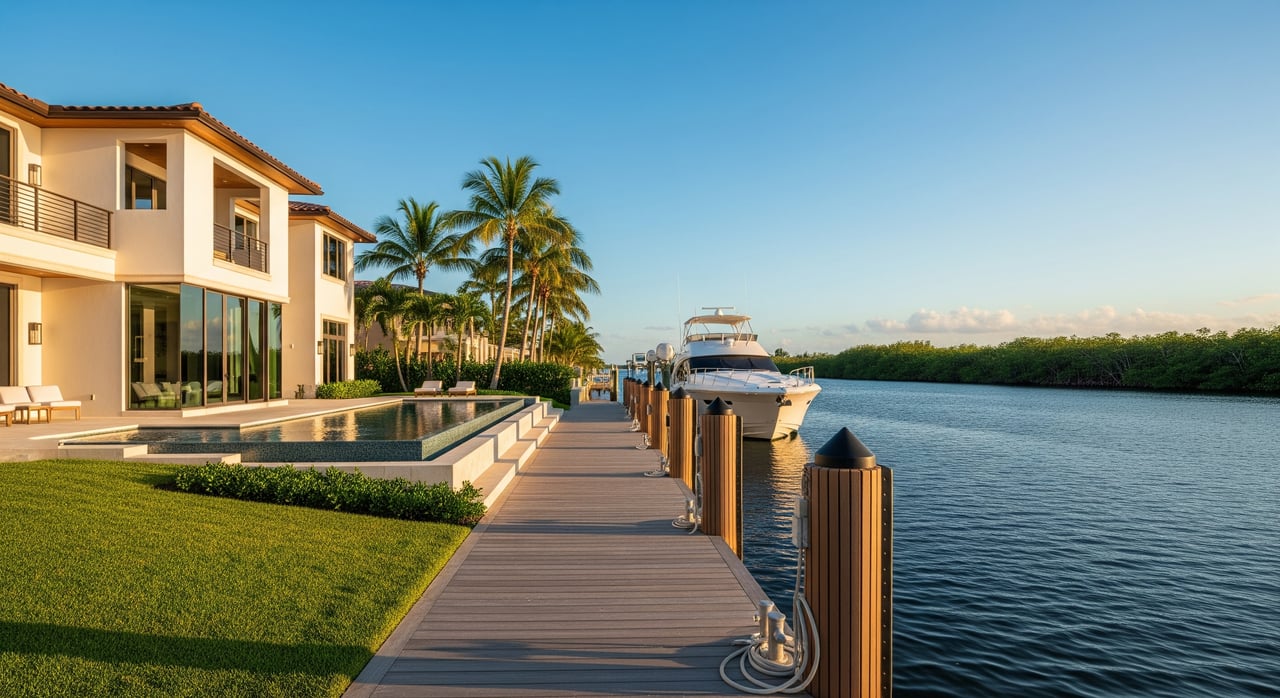
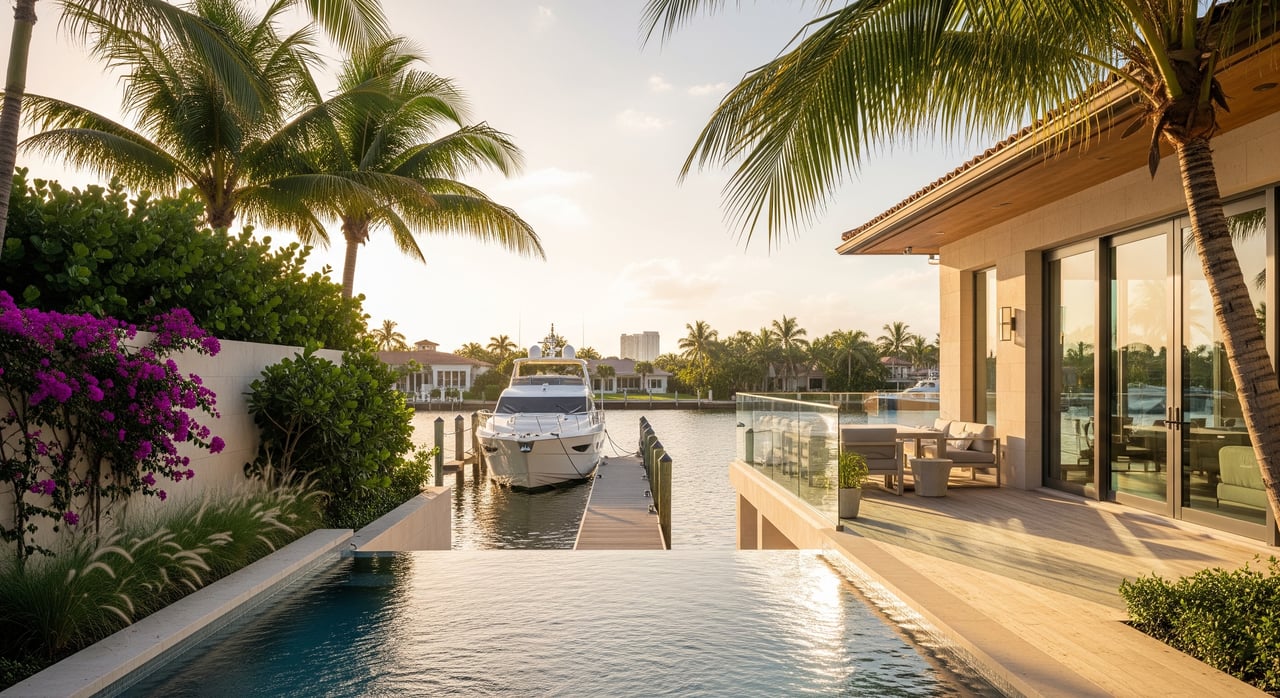
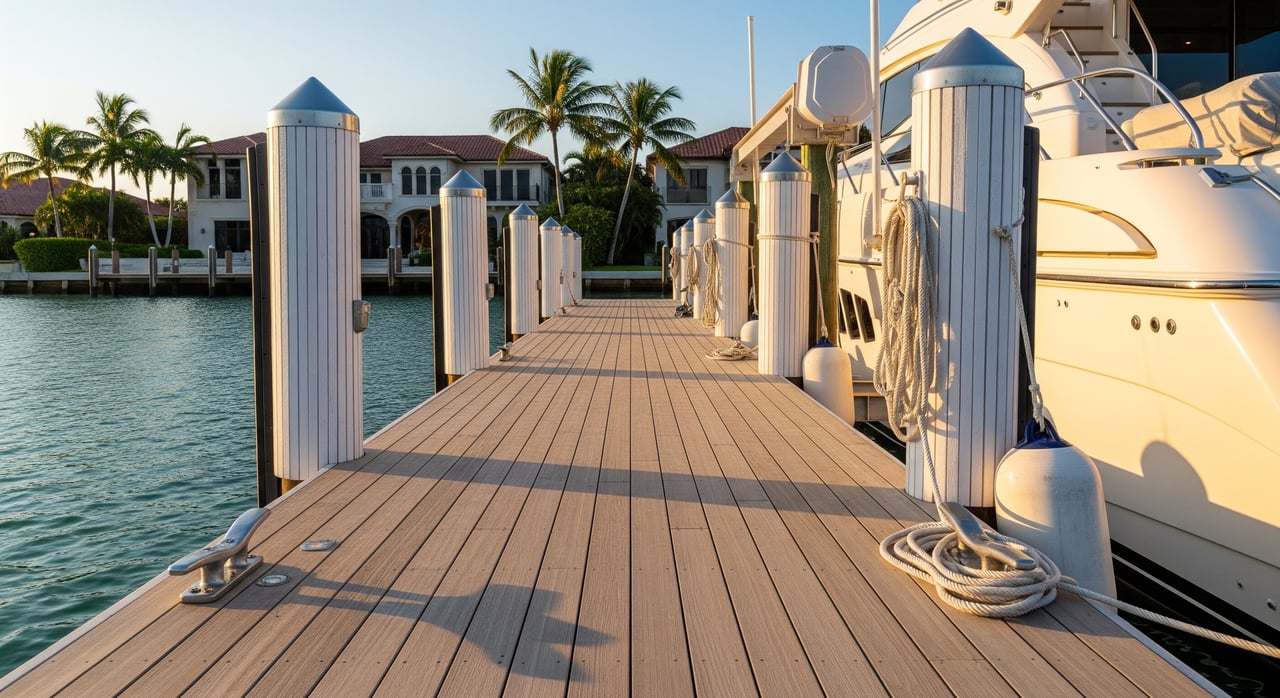
Most canal homes feature private docks with direct backyard access. Space for guests can be limited, and owners are usually responsible for dock and seawall upkeep. Along the Loxahatchee, you have a greater chance of being near marinas and services that support larger boats, though certain protected stretches can limit commercial activity. If you expect frequent guests or need haul-out and fuel support for a bigger vessel, confirm local capacity and service availability in advance.
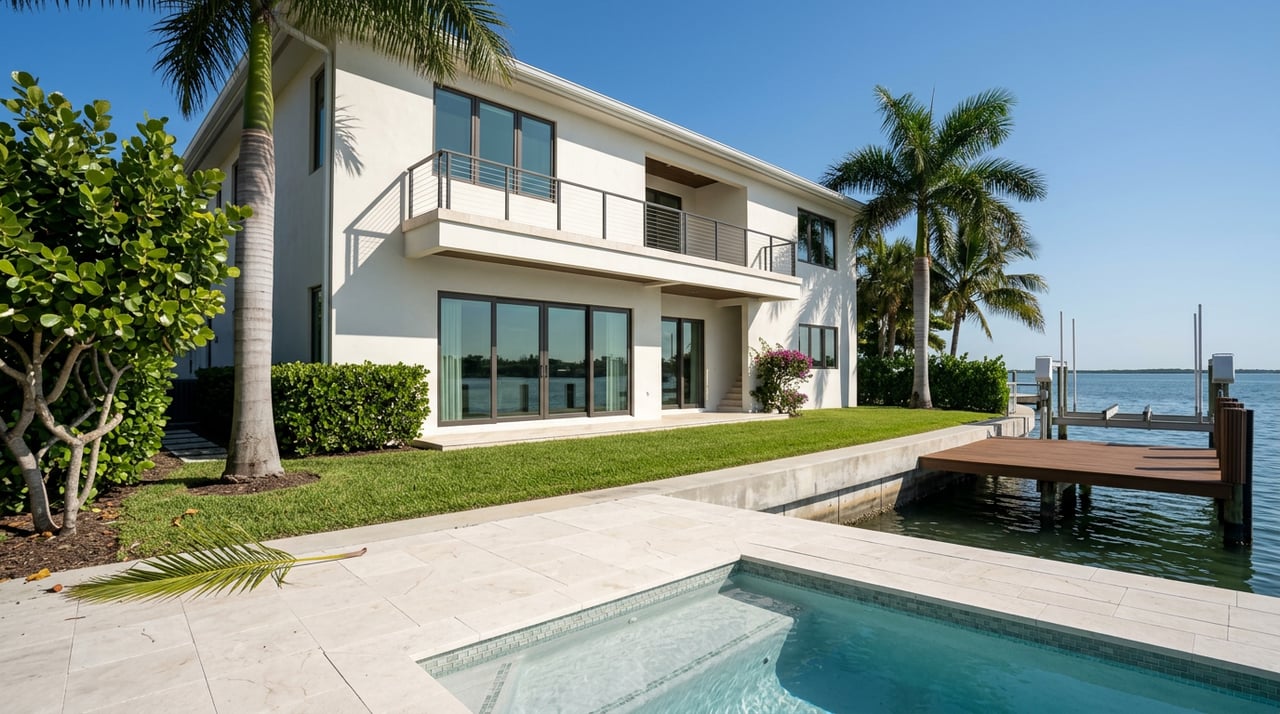
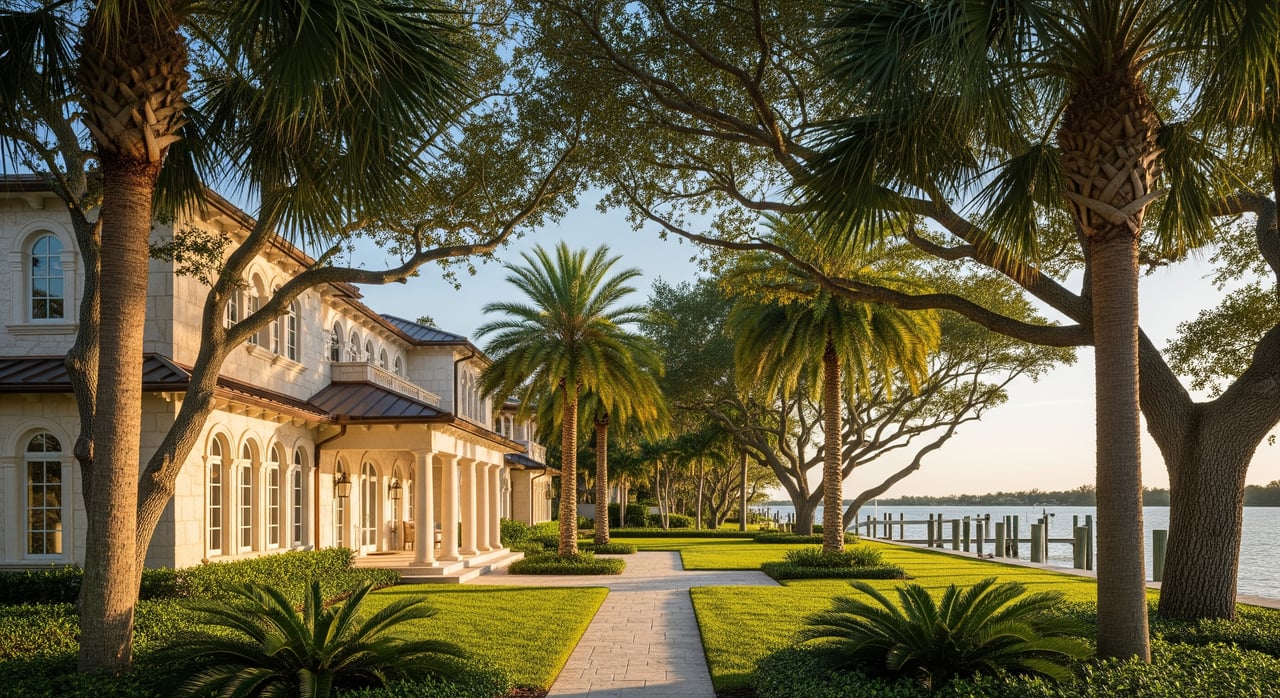
Canal-front living feels cozy and connected, with neighboring docks in view and an intimate water corridor. It is easy to keep an eye on your boat and chat with neighbors across the water. Riverfront living opens up to broader vistas, often across a wider channel with natural shoreline in places. If you want sweeping views and greater separation, riverfront parcels usually deliver.
Canals see mostly local boat traffic and feel quieter day to day. On the river, activity rises on weekends and holidays, and wakes from larger vessels can add to ambient noise. Speed limits and no-wake zones help, but they do not eliminate traffic. Visit properties at different times to get a real sense of the soundscape.
Engineered canal shorelines often reduce native vegetation and may reflect runoff from nearby yards. Natural sections of the Loxahatchee support mangroves, seagrass, and diverse wildlife, including seasonal manatee presence in some areas. If wildlife access and a more natural setting matter to you, riverfront segments can offer that connection. Ask about protected areas and local rules that govern anchoring and interaction with wildlife.
Portions of the Loxahatchee River hold environmental significance and can be subject to protections, special permitting, and rules like no-wake zones or habitat buffers. These designations may affect how and where you operate a boat and what you can build along the shoreline. Understanding these constraints up front makes ownership smoother.
Confirm that a property’s title and plat reflect riparian rights and any recorded dock permits. Most dock work requires local permits and sometimes state or federal review if wetlands or submerged lands are involved. If you are considering changes to dock size, boat lifts, canopies, or utilities, check HOA rules and municipal standards before you plan improvements.
Both canals and river channels can need periodic dredging to stay navigable. Costs and responsibilities vary and may fall to individual owners, an HOA, or the county. Ask for the recent dredging history, who paid for it, and any planned assessments that could affect your budget.
Waterfront in Palm Beach County comes with flood considerations whether you buy on a canal or on the river. Elevation, seawall condition, distance to the inlet, and parcel orientation all play a role. Insurance for flood and wind varies with exposure, elevation certificates, and claim history in the micro-area. Review FEMA flood zones, obtain an elevation certificate, check storm surge maps, and get insurance quotes early in your process.
Use this practical checklist to de-risk your decision and protect resale value:
If you own a moderate-size boat and want sheltered, simple docking with a quiet backyard scene, canal-front living in Tequesta is a strong match. If you need deeper water, larger-vessel flexibility, and sweeping views with a more direct line toward the ocean, riverfront may be the better fit. In both cases, site-specific due diligence is essential and will influence your enjoyment and your resale.
If you are weighing canal versus riverfront in Tequesta and want a clear plan tailored to your boat and lifestyle, connect with Jennifer Lourie for a discreet, concierge consultation.
Stay up to date on the latest real estate trends.
Jennifer is excited to continue her entrepreneurial path in the Real Estate industry and the passion she has for assisting people when it comes to finding their dream homes knows no bounds.